Knights, Archaeologists,
Students and Scientists:
Insights on Leadership
from Niren Chaudhary
Knights, Archaeologists,
Students and Scientists:
Insights on Leadership
from Niren Chaudhary
Niren Chaudhary is the former Chairman and CEO of Panera brands, the c.$6 billion turnover fast-casual restaurant group, and currently serves as a Board Member at SIG Group, a global leader in packaging solutions. He also sits on the advisory boards of The Akshaya Patra Foundation and Global Peter Drucker Forum and is an Executive Fellow at Harvard Business School. In addition, he is an Executive Coach with The ExCo Group, advising and mentoring C-suite executives.
Earlier in his career, Niren served as Chief Operating Officer and President of Krispy Kreme and held various global leadership positions at Yum! Brands, including Global President of KFC and the President of Yum! India.
Niren Chaudhary is the former Chairman and CEO of Panera brands, the c.$6 billion turnover fast-casual restaurant group, and currently serves as a Board Member at SIG Group, a global leader in packaging solutions. He also sits on the advisory boards of The Akshaya Patra Foundation and Global Peter Drucker Forum and is an Executive Fellow at Harvard Business School. In addition, he is an Executive Coach with The ExCo Group, advising and mentoring C-suite executives.
Earlier in his career, Niren served as Chief Operating Officer and President of Krispy Kreme and held various global leadership positions at Yum! Brands, including Global President of KFC and the President of Yum! India.

At the start of 2026, disruption feels less like an event and more like a condition. As former Chairman and CEO of Panera Brands, Niren Chaudhary, told us:
“if you look back at the last five years, it’s been unprecedented change. It’s coming at you from all angles – political, social, economic technological – all at once.”
For many boards and executive teams, the question is no longer how to navigate a single shock, but how to lead in a world where the ground rarely settles. Against this backdrop, we sat down with Niren Chaudhary to reflect on what this era of sustained volatility has meant for the way he led and how it has reshaped his view of leadership more broadly.
At the start of 2026, disruption feels less like an event and more like a condition. As former Chairman and CEO of Panera Brands, Niren Chaudhary, told us:
“if you look back at the last five years, it’s been unprecedented change. It’s coming at you from all angles – political, social, economic technological – all at once.”
For many boards and executive teams, the question is no longer how to navigate a single shock, but how to lead in a world where the ground rarely settles. Against this backdrop, we sat down with Niren Chaudhary to reflect on what this era of sustained volatility has meant for the way he led and how it has reshaped his view of leadership more broadly.
From Knights to Archaeologists: Rethinking Leadership Metaphors
When asked whether leadership has changed over the past five years, Niren was unequivocal:
“I can’t recall when it felt like that, like everything was changing all at once. In that context, leadership needs to also evolve accordingly and move on to the next level to be able to cope with this high level of global uncertainty and rapid change […] you need a new mindset of a leader.”
For Niren, that mindset requires moving beyond the traditional model of “leading from the front.”
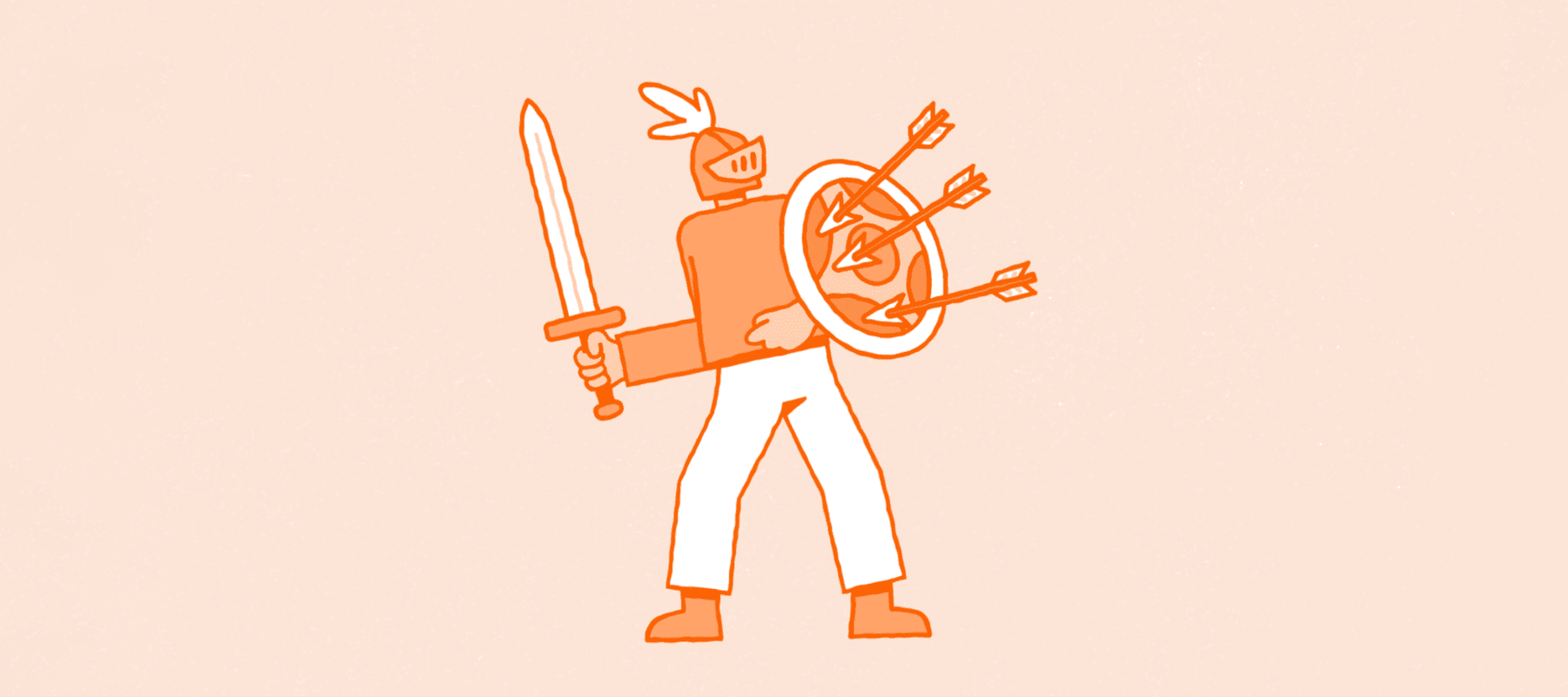
“The metaphor of a knight in shining armour on a black stallion, racing down the hill with the whole army behind that leader, inspired and intentional to win the battle, I think that type of leadership is not going to be relevant in the future because that requires certainty. Certainty of what’s happening, certainty of what you’re going after.”
In an environment defined by ambiguity and instability, Niren argues that this heroic, singular model falters. As he puts it: “In an uncertain world, you cannot rely on the genius of one human.”
Instead, he proposes a different metaphor: today’s leaders must act as both an “archaeologist” and “servant leader.” In other words, they are:
“behind the army, making sure that they’re well fed, that they’re well looked after, they’re developed, that they have the right training, the tools. Instead of one man leading the charge, you have thousands on the front line who are empowered and therefore can be more agile in dealing with whatever emerges.”
As the archaeologist, then, the leader’s task is to “unlock the individual and collective genius of people across [their] organisation.”
When asked whether leadership has changed over the past five years, Niren was unequivocal:
“I can’t recall when it felt like that, like everything was changing all at once. In that context, leadership needs to also evolve accordingly and move on to the next level to be able to cope with this high level of global uncertainty and rapid change […] you need a new mindset of a leader.”
For Niren, that mindset requires moving beyond the traditional model of “leading from the front.”
“The metaphor of a knight in shining armour on a black stallion, racing down the hill with the whole army behind that leader, inspired and intentional to win the battle, I think that type of leadership is not going to be relevant in the future because that requires certainty. Certainty of what’s happening, certainty of what you’re going after.”
In an environment defined by ambiguity and instability, Niren argues that this heroic, singular model falters. As he puts it: “In an uncertain world, you cannot rely on the genius of one human.”
Instead, he proposes a different metaphor: today’s leaders must act as both an “archaeologist” and “servant leader.” In other words, they are:
“behind the army, making sure that they’re well fed, that they’re well looked after, they’re developed, that they have the right training, the tools. Instead of one man leading the charge, you have thousands on the front line who are empowered and therefore can be more agile in dealing with whatever emerges.”
As the archaeologist, then, the leader’s task is to “unlock the individual and collective genius of people across [their] organisation.”
Four Attributes for Modern Leadership
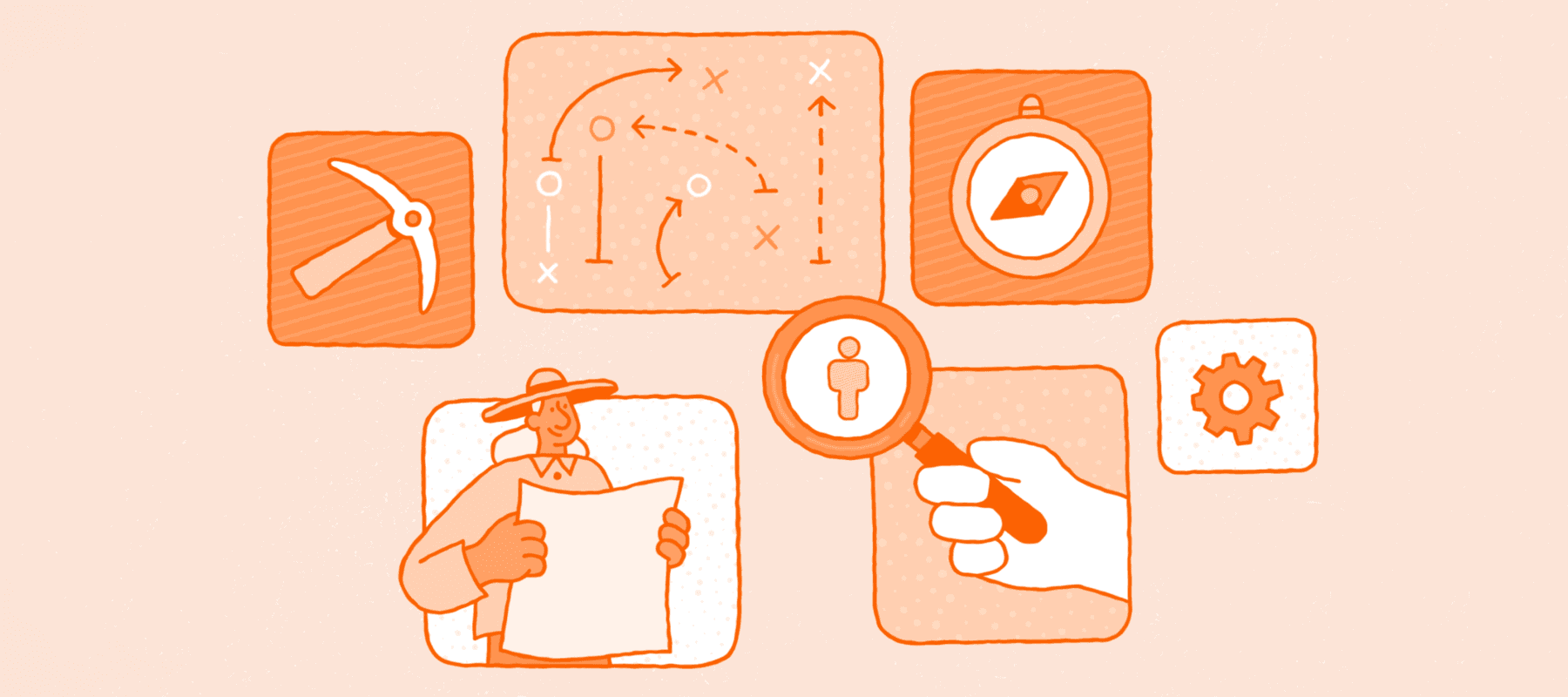
This shift in mindset, he explains, directly impacts the qualities organisations should seek in their people. Niren identifies four attributes that leaders – and their top teams – must cultivate.
Learn Like a Student:
“When we go to school and we are a student and everything is new and we are constantly amazed with curiosity at the many possibilities that the world has, you need to have that same mindset, almost like a beginner's mind of no certainty, but a desire to learn.”
Think Like a Scientist:
“When we go to school and we are a student and everything is new and we are constantly amazed with curiosity at the many possibilities that the world has, you need to have that same mindset, almost like a beginner's mind of no certainty, but a desire to learn.”
Move with the Speed of an Entrepreneur:
“Test small, fail quick, and then scale […] be willing to do, fail, learn, adapt and then repeat that cycle […] The execution and the strategy is an iterative process, but that requires speed and agility.”
Have the Resilience of a Warrior:
“By definition, if something is uncertain and so unpredictable, things are not going to pan out. They're going to be difficult. There’s going to be setbacks […] I need to have the tenacity of just keep going, keep marching, getting up and keep going, and having that desire to eventually prevail.”
Importantly, Niren stresses that these traits are not interchangeable, but operate as a spectrum of capability that organisations must embed culturally, not just recruit individually.
This shift in mindset, he explains, directly impacts the qualities organisations should seek in their people. Niren identifies four attributes that leaders – and their top teams – must cultivate.
Learn Like a Student:
“When we go to school and we are a student and everything is new and we are constantly amazed with curiosity at the many possibilities that the world has, you need to have that same mindset, almost like a beginner's mind of no certainty, but a desire to learn.”
Think Like a Scientist:
“When we go to school and we are a student and everything is new and we are constantly amazed with curiosity at the many possibilities that the world has, you need to have that same mindset, almost like a beginner's mind of no certainty, but a desire to learn.”
Move with the Speed of an Entrepreneur:
“Test small, fail quick, and then scale […] be willing to do, fail, learn, adapt and then repeat that cycle […] The execution and the strategy is an iterative process, but that requires speed and agility.”
Have the Resilience of a Warrior:
“By definition, if something is uncertain and so unpredictable, things are not going to pan out. They're going to be difficult. There’s going to be setbacks […] I need to have the tenacity of just keep going, keep marching, getting up and keep going, and having that desire to eventually prevail.”
Importantly, Niren stresses that these traits are not interchangeable, but operate as a spectrum of capability that organisations must embed culturally, not just recruit individually.
Trust, Values and Culture
A recurring theme in Niren’s reflections is the centrality of trust and values to effective leadership. “The leader can be that enabler and that metaphor of an archaeologist as opposed to the knight in shining armour, only if that leader is deeply trusted,” and trust requires more than competency. It demands “strong character, well-defined values and consistency in [the way in] which they show up.” It is this congruence between “what I think, feel, say and do” that defines moral integrity for Niren.
He argues that moral integrity is personal, yet essential at an organisational level because leaders must be “torchbearer[s] for holding everybody accountable.” Niren reminds us that “culture starts at the top with the CEO and then the executive team and then percolates all the way down.” To instil these values throughout an organisation, he recommends three levers: role modelling by senior leaders, embedding organisational values into people processes like recruitment and performance management, and creating rituals and shared experiences that bring these values to life.
A recurring theme in Niren’s reflections is the centrality of trust and values to effective leadership. “The leader can be that enabler and that metaphor of an archaeologist as opposed to the knight in shining armour, only if that leader is deeply trusted,” and trust requires more than competency. It demands “strong character, well-defined values and consistency in [the way in] which they show up.” It is this congruence between “what I think, feel, say and do” that defines moral integrity for Niren.
He argues that moral integrity is personal, yet essential at an organisational level because leaders must be “torchbearer[s] for holding everybody accountable.” Niren reminds us that “culture starts at the top with the CEO and then the executive team and then percolates all the way down.” To instil these values throughout an organisation, he recommends three levers: role modelling by senior leaders, embedding organisational values into people processes like recruitment and performance management, and creating rituals and shared experiences that bring these values to life.

Turning Crisis into Opportunity
For Niren, the COVID-19 pandemic presented a particularly stark test of organisational values and leading with moral integrity. Faced with total workplace disruption, he asked “How do you retain a culture in that situation?”
His answer was to reframe the definition of success:
“The organisation rallied around this idea of how a crisis can be a significant opportunity to really do something amazing [...] you redefine what winning means. It's not the traditional metrics because the business is obviously struggling, but you redefine that […] Could this be a unique opportunity for us to build trust with all the stakeholders?”
This approach led to initiatives such as launching a grocery delivery line to serve struggling customers, redeploying furloughed staff through partnerships, and providing meals for children in need. By “walking the talk in a difficult time,” he argues, organisations can embed positive values and culture more deeply than during periods of stability.
Looking ahead, Niren sees volatility not just as a challenge but as fertile ground for growth:
“The job of a good leader is to say, ‘What is the opportunity here?’ Rather than retreating, stand tall and face the wind […] Convert uncertainty into something hugely productive.”
For new CEOs stepping into this role, he distils his advice into three imperatives:
Values:
“Who are you? And can you consistently lead against the filter of those values in good times, but especially in bad times?”
Curiosity:
“Focus on your learning agility and exercise that muscle.”
Resilience:
“Have such deep level of conviction, intentionality and optimistic outlook that no matter what, no matter how hard things are, you will always get up and you will try again […] And it will keep moving the organisation forward.”
In Niren's view, it is trust, values, curiosity, and resilience that endure through volatility. Leaders who cultivate these qualities will not only navigate uncertainty but also find opportunities to grow and succeed within it.
For Niren, the COVID-19 pandemic presented a particularly stark test of organisational values and leading with moral integrity. Faced with total workplace disruption, he asked “How do you retain a culture in that situation?”
His answer was to reframe the definition of success:
“The organisation rallied around this idea of how a crisis can be a significant opportunity to really do something amazing [...] you redefine what winning means. It's not the traditional metrics because the business is obviously struggling, but you redefine that […] Could this be a unique opportunity for us to build trust with all the stakeholders?”
This approach led to initiatives such as launching a grocery delivery line to serve struggling customers, redeploying furloughed staff through partnerships, and providing meals for children in need. By “walking the talk in a difficult time,” he argues, organisations can embed positive values and culture more deeply than during periods of stability.
Looking ahead, Niren sees volatility not just as a challenge but as fertile ground for growth:
“The job of a good leader is to say, ‘What is the opportunity here?’ Rather than retreating, stand tall and face the wind […] Convert uncertainty into something hugely productive.”
For new CEOs stepping into this role, he distils his advice into three imperatives:
Values:
“Who are you? And can you consistently lead against the filter of those values in good times, but especially in bad times?”
Curiosity:
“Focus on your learning agility and exercise that muscle.”
Resilience:
“Have such deep level of conviction, intentionality and optimistic outlook that no matter what, no matter how hard things are, you will always get up and you will try again […] And it will keep moving the organisation forward.”
In Niren's view, it is trust, values, curiosity, and resilience that endure through volatility. Leaders who cultivate these qualities will not only navigate uncertainty but also find opportunities to grow and succeed within it.